
Nestled beneath the colossal silhouette of Mount Kanchenjunga, the Eastern Himalayan corridor of Darjeeling and Sikkim is one of the most visually captivating travel circuits in South Asia. Combining colonial heritage, sweeping emerald tea gardens, ancient Buddhist monasteries, and glacial alpine lakes, this journey offers an unforgettable escape into the clouds.
Darjeeling - Queen of the Hills & Vintage Charm
Your journey begins on the steep, pine-scented hillsides of Darjeeling, famous worldwide for its colonial-era architecture and world-class tea gardens.
Tiger Hill Sunrise: Rising early at 4:00 AM pays off the moment the first rays of dawn illuminate the snowbound summit of Mount Kanchenjunga, shifting from icy blue to fiery amber and pale gold.
The Darjeeling Himalayan Railway (Toy Train): A UNESCO World Heritage marvel, this narrow-gauge steam engine chugs past misty valley drops and loops gracefully around the landscaped gardens of the Batasia Loop.
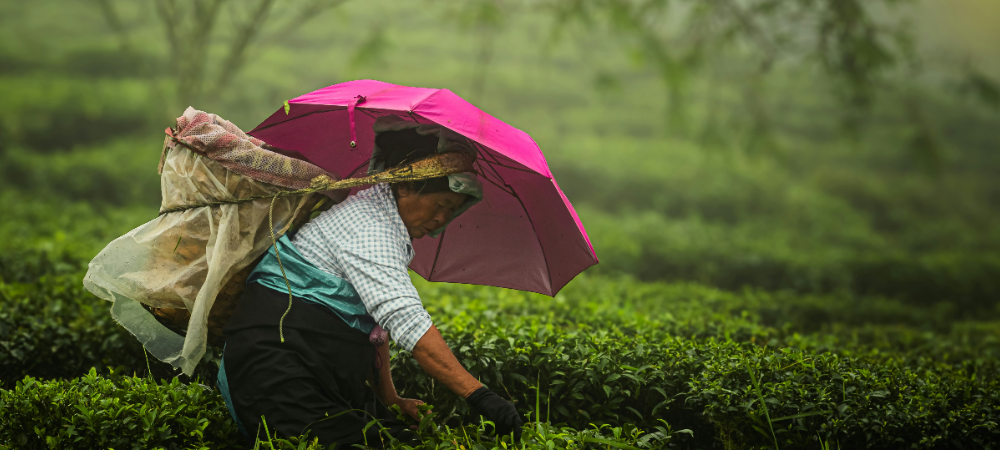
Happy Valley Tea Estate: Walking through manicured tea terraces reveals how the world's most prized tea leaves are cultivated, plucked, and processed amidst rolling mountain fog.
Colonial Heritage on Mall Road (Chowrasta): Stroll past historic bakeries like Glenary’s and vintage bookshops, enjoying wide panoramic views of the surrounding valleys without vehicle traffic.
Gangtok - Cosmopolitan Energy and Sacred Sanctuaries
Crossing into Sikkim, the capital city of Gangtok is clean, organized, and set against dramatic hillside amphitheaters.
MG Marg: A spotless, pedestrian-only boulevard lined with vibrant mountain cafes, souvenir stalls, and flower beds that serve as the evening social hub of the city.
Rumtek Monastery: Perched on a hill facing Gangtok, this grand 16th-century seat of the Karma Kagyu lineage features intricate Tibetan murals, golden stupas, and resonant prayer halls.
Do Drul Chorten & Namgyal Institute of Tibetology: A serene stupa complex encircled by 108 prayer wheels, paired with a world-renowned museum dedicated to Tibetan Buddhist culture, manuscripts, and iconography.
High-Altitude Excursions: Tsomgo Lake & Nathula Pass
East Sikkim’s high mountain frontiers offer dramatic alpine landscapes just a few hours' drive from Gangtok.
Tsomgo (Changu) Lake: Sitting at 12,310 feet, this sacred glacial lake reflects the surrounding snow-dusted peaks, with yak rides and prayer flags lining its shores.
Baba Mandir & Nathula Pass: Located along the historic Old Silk Route on the Indo-China border (at 14,140 feet), Nathula offers dramatic views across high-altitude mountain winds and rugged pass terrain.
Pelling - Unobstructed Himalayan Panoramas
Headed west into Sikkim, Pelling provides the closest, most panoramic face-to-face views of Mount Kanchenjunga.
Pemayangtse Monastery: One of the oldest and most revered monasteries in Sikkim, home to antique statues and the famous seven-tiered wooden model depicting the celestial abode of Guru Rinpoche.
Rabdentse Ruins: A scenic forest walk leads to the stone ruins of Sikkim’s second historic capital, where moss-covered royal palace foundations overlook plunging green valleys.
Pelling Skywalk & Chenrezig Statue: A glass-bottomed bridge suspended over the mountainside leads up to a towering 137-foot statue of the Chenrezig (Avalokiteshvara), offering sweeping 360-degree Himalayan views.
Essential Travel Tips for the Circuit
Permits: Entry to Nathula Pass, Tsomgo Lake, and North Sikkim requires Protected Area Permits (PAP), which can be arranged via registered local travel agencies using valid government ID and passport photos.
Best Travel Windows: March to May offers blooming rhododendrons and mild weather, while October to mid-December delivers the clearest mountain skies and sharpest peak views.
